**Algorithmic Hiring: A New Frontier or a Digital Minefield?**
In an era where algorithms are increasingly calling the shots in boardrooms, California’s Senate Bill 7 (SB 7) has ignited heated debate over the role of automation in employment. The bill’s ambition to regulate automated decision systems in hiring processes sets the stage for a clash between technological advancement and the fight against discrimination. If passed, SB 7 could drastically reshape how companies recruit and promote employees, sparking both excitement and controversy.
**Opening the Black Box**
At its core, SB 7 demands transparency. Employers who rely on automated decision-making must reveal how these systems operate and submit them to regular bias testing. For job seekers and employees, especially those from marginalized communities, this represents a potential leveling of the playing field. For too long, critics argue, the algorithms have functioned like a “black box,” with decisions emerging from a process cloaked in secrecy and potentially riddled with bias.
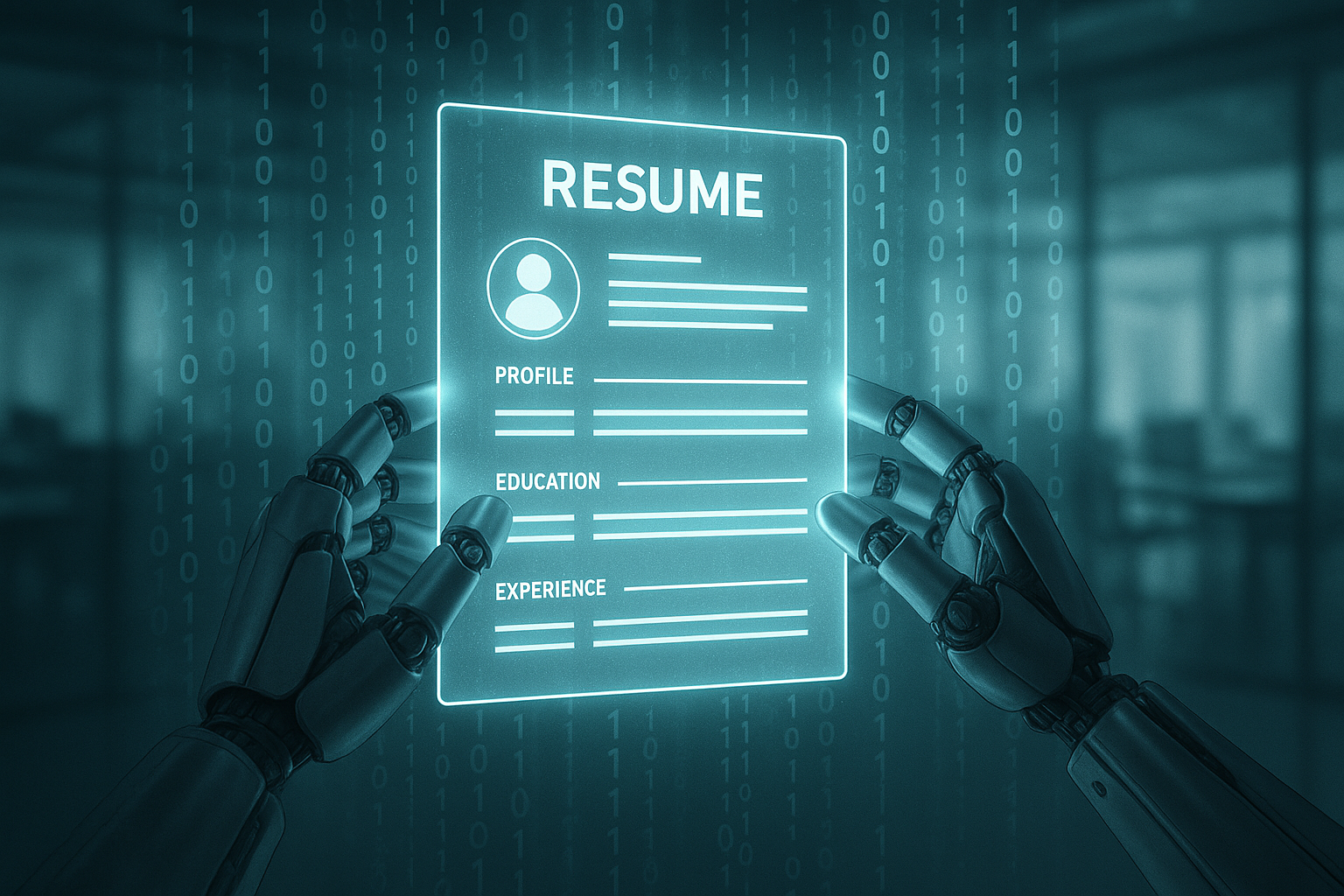
Consider a scenario where an AI system designed to streamline resume reviews inadvertently filters out candidates based on non-relevant factors like the frequency of medical leave indicators. Without oversight, such systems might perpetuate biases inadvertently baked into their programming. “It’s about time we demystify these algorithms,” supporters say. “Transparency isn’t just a buzzword. It’s a necessity.”
**A Costly Compliance Conundrum**
Yet, for businesses, SB 7 represents a costly compliance conundrum. Companies that have invested heavily in these technologies may face significant operational burdens and increased costs. Tech firms selling these systems might also feel the squeeze as their products come under increased scrutiny. Detractors argue that such regulations could stymie innovation and place undue stress on an already competitive market.
Imagine a small tech startup that has developed a cutting-edge AI tool for recruitment. Under SB 7, the company might face requirements that could be prohibitively expensive, forcing it to allocate resources to compliance rather than innovation. Critics say, “The bill risks transforming every HR department into an auditing unit. Is this really where we want to drive California’s technological prowess?”
**Balancing Innovation and Regulation**
The tension between fostering innovation and ensuring fairness is palpable. SB 7’s proponents emphasize the ethical imperative of preventing discrimination, arguing that technology should elevate rather than undermine workplace equity. Meanwhile, businesses express concern that excessive regulation could dampen the innovative spirit that defines California’s economy.
The bill’s enforcement would necessitate a comprehensive framework for auditing and accountability, potentially creating new opportunities in compliance and bias testing. As lobbyists and legislators gear up for the next round of discussions, the challenge will be crafting a policy that upholds fairness without quenching innovation. This delicate balance may decide the bill’s fate and shape California’s employment landscape for years to come.
**What Happens Next?**
Following the Governor’s veto, SB 7 awaits further consideration. The bill’s survival hinges on political maneuvering and public opinion. The debate is far from over; it reflects a larger societal reckoning with the rapid integration of AI into everyday life. Will California set a precedent by demanding transparency and fairness in algorithmic decision-making, or will the scales tip in favor of technological advancement at any cost?
As stakeholders from all sides prepare for the next legislative battle, one thing is clear: the conversation around AI and employment is just beginning. Whether SB 7 rises from the ashes or falls by the wayside, its impact will reverberate far beyond California’s borders, prompting a global dialogue on the future of work in the digital age.
Bill Details
- Bill Number: SB 7
- State: CA
- Last Action: In Senate. Consideration of Governor’s veto pending.
- Date: Senate • Oct 13, 2025
- Author(s)/Sponsor(s): McNerney, Bryan, Elhawary
- Read Full Bill Text
Visual Insights