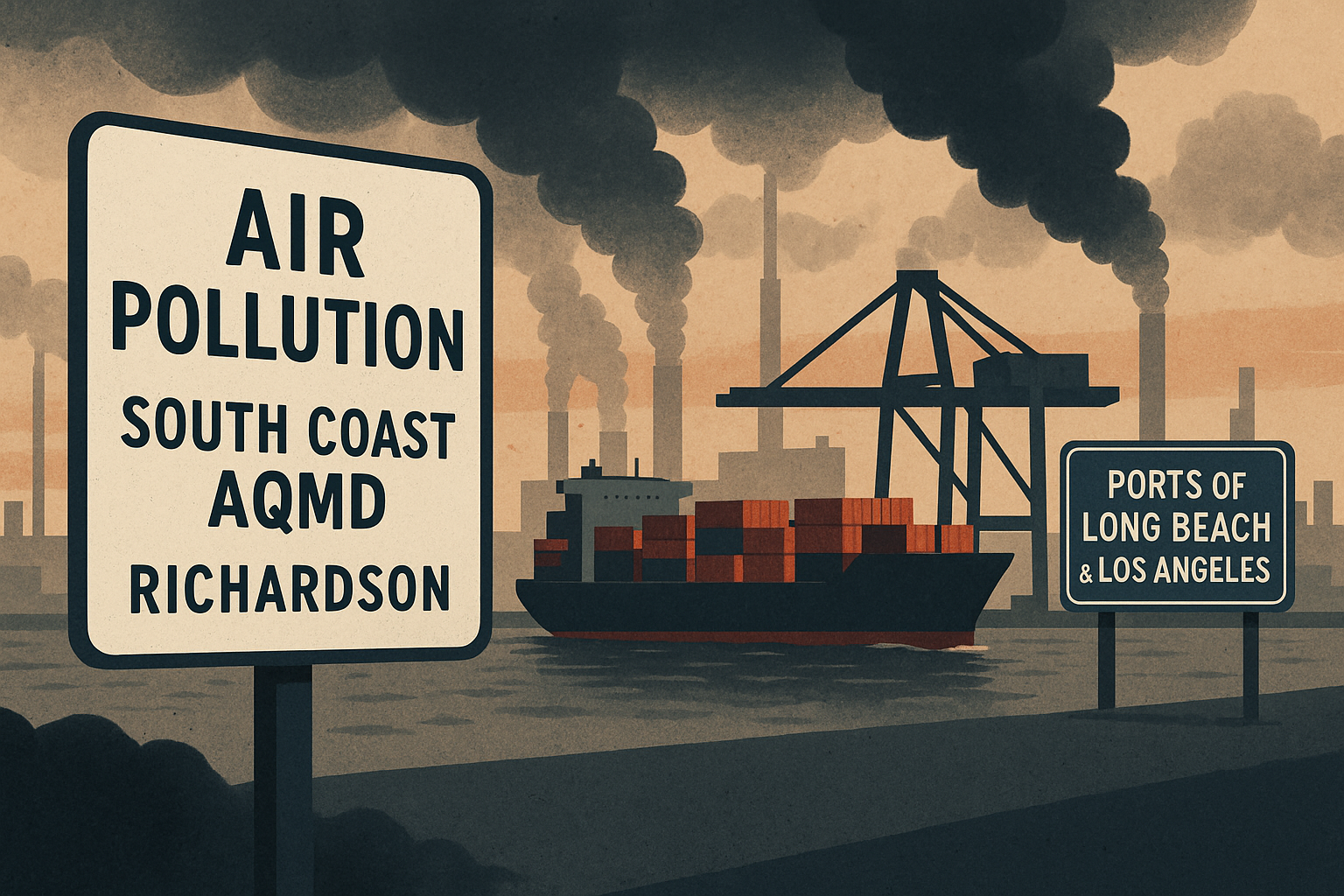
In the ever-evolving landscape of California politics, a recent piece of legislation has ignited fervent discussions about the balance between progress and practicality. Authored by Assemblymember Richardson, this bill proposes a significant shift in policy that could influence a wide array of sectors within the state. While the specifics of the proposed legislation may remain under wraps, the implications, controversies, and public responses surrounding it deserve a closer examination.
At its core, the bill aims to address pressing issues that resonate with many Californians—whether that be environmental sustainability, social equity, or economic development. In a state that often prides itself on leading the nation in progressive policymaking, Richardson’s initiative is positioned as a potential game-changer. However, with every bold step forward, there is an inherent tension between ambition and feasibility that must be navigated carefully.
California is no stranger to ambitious legislation. The state has frequently set the bar for progressive reforms, from climate action to health care access. Yet, as we have seen time and again, the implementation of these policies can be fraught with challenges. The current bill, while promising in its intentions, raises critical questions about the practicality of its execution. What resources will be required? How will it impact the very communities it seeks to uplift? These are essential considerations that must be addressed if the bill is to succeed in its mission.
Controversy surrounding the bill has already begun to bubble to the surface. Critics argue that the legislation could overreach, encroaching on local governance or existing regulations that are already in place. They contend that the sweeping nature of the bill might inadvertently create a one-size-fits-all approach that fails to take into account the unique circumstances of different regions within California. This argument underscores the perennial challenge of crafting state-wide policies that are sensitive to local needs—a dilemma that often pits urban centers against rural communities, and vice versa.
On the other hand, supporters of the bill assert that bold action is necessary to confront the state’s most pressing challenges, particularly in light of ongoing economic and environmental crises. They argue that without such sweeping reforms, California risks stagnation, allowing other states to eclipse its leadership in innovation and sustainability. Richardson’s supporters view this legislation as a vital step toward building a more equitable future, where opportunities are accessible to all Californians, regardless of their background or geographic location.
Public response to the bill has reflected this divide, with passionate advocates on both sides engaging in a spirited debate. Social media platforms have become battlegrounds for discussions about the legislation, showcasing everything from heated critiques to fervent endorsements. A recent poll indicated that while a significant portion of Californians support the bill’s overarching goals, many remain wary of its potential ramifications. This hesitance is indicative of a broader trend—Californians are increasingly demanding transparency and accountability from their elected officials, especially when it comes to ambitious policy proposals.
As the bill currently sits in the Senate, awaiting consideration of the Governor’s veto, the stakes could not be higher. If passed, it could pave the way for a new era of policy-making in California, one that places equity and sustainability at the forefront. Conversely, a veto could signal a retreat from bold action, sending a message that the complexities of governance outweigh the urgency of reform.
Ultimately, the fate of this bill will depend not only on the political maneuvering that lies ahead but also on the willingness of Californians to engage in a thoughtful dialogue about their priorities. As the state grapples with pressing issues like climate change, housing affordability, and economic inequality, the need for nuanced, effective policy has never been more critical. Whether Richardson’s bill represents the solution or an overreach remains to be seen, but one thing is clear: the conversations it has sparked are vital to shaping the future of California.
In a state that has always prided itself on its forward-thinking ethos, the challenge remains: how do we balance the urge for progress with the need for practical solutions? As the debate unfolds, it serves as a reminder that the path to progress is often paved with difficult discussions, and that every policy must be rigorously examined through the lens of its potential impact on the very people it seeks to serve.
Bill Details
- Bill Number: SB 34
- State: CA
- Status: Status not available
- Last Action: In Senate. Consideration of Governor’s veto pending.
- Date: Senate • Oct 13, 2025
- Author(s)/Sponsor(s): Richardson
- Read Full Bill Text
