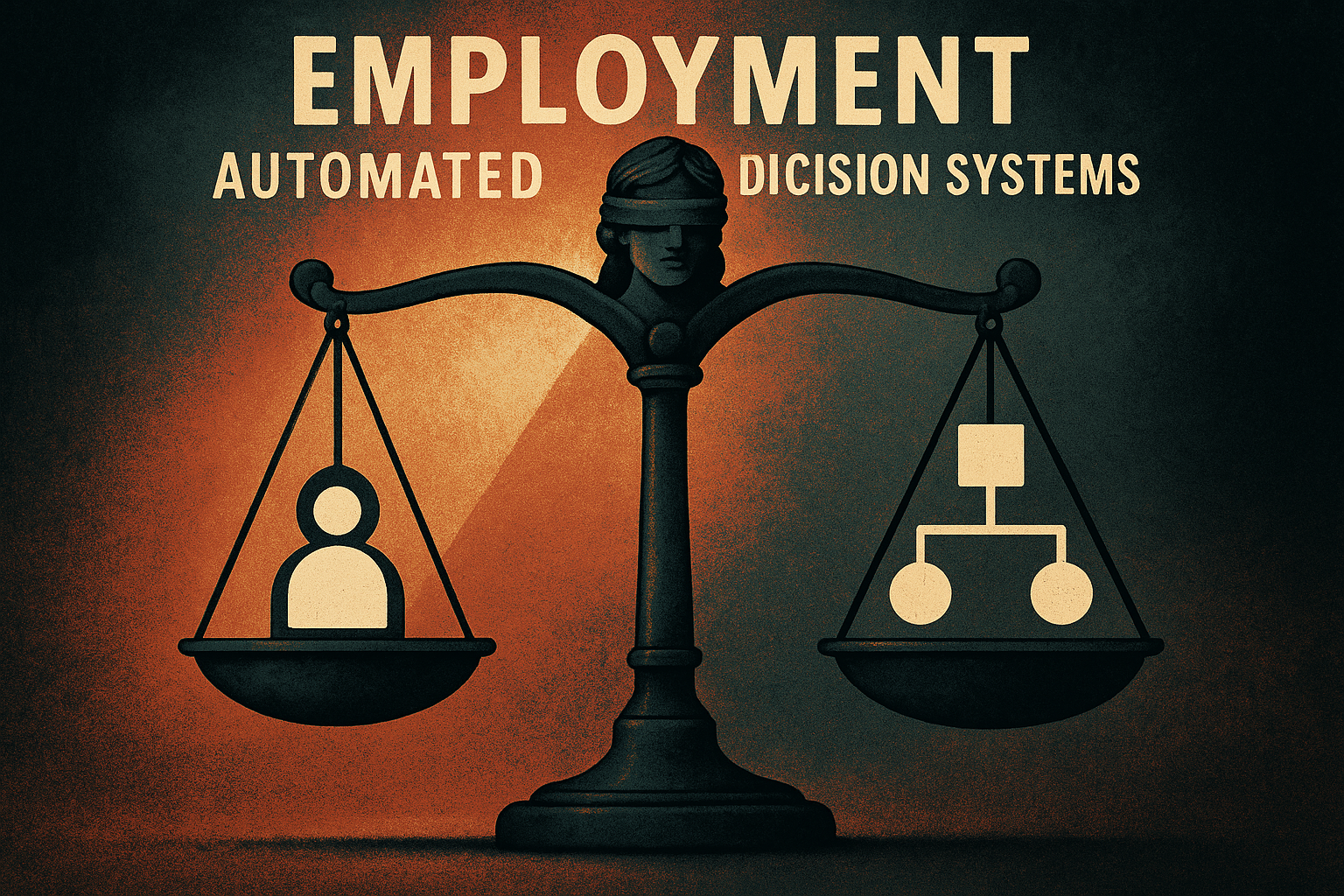
In a world increasingly governed by algorithms and data, the promise of fair and unbiased decision-making is seductive—yet elusive. The recent veto of California’s “Employment: Automated Decision Systems” bill, spearheaded by champions McNerney, Bryan, and Elhawary, highlights the ongoing struggle to regulate artificial intelligence in the workplace. Originally set to become law after being enrolled on September 17, 2025, the bill met its demise on October 13, 2025, when the Governor’s veto sealed its fate, marking a significant setback for advocates of algorithmic accountability.
The Rise and Fall of AI Regulation
The proposed legislation aimed to introduce a regulatory framework to oversee the use of automated decision systems in employment settings. With AI technologies now deeply embedded in hiring, promotions, and various workplace evaluations, the bill sought to protect employees from the biases and discrimination that can arise from unchecked algorithms. Its sponsors envisioned a future where technology-enhanced transparency and fairness, rather than perpetuating existing inequalities.
The veto, however, underscores the complexities and challenges of integrating ethical oversight into technology-driven workplaces. Critics of the measure, including several business groups and tech industry representatives, argued that the proposal placed an untenable financial burden on companies and raised privacy concerns. Employers feared the cost of compliance and potential legal ramifications, which they argued could stifle innovation and competitiveness.
“Critics of the bill pointed to privacy concerns and the financial burden on businesses, but the core of the debate centered on the fairness and transparency of algorithmic decision-making.”
In contrast, supporters of the legislation stressed the urgent need for regulations to ensure that AI systems do not reinforce discrimination or exclude marginalized communities from job opportunities. They argue that without such oversight, algorithms operate in a black box, their decisions shrouded in mystery and immune to scrutiny. The veto is seen as a significant blow to efforts aimed at creating a more equitable employment landscape.
Implications and Future Directions
The Governor’s veto has been widely interpreted as a victory for employers and technology companies, who now avoid the immediate scrutiny that would have accompanied the bill’s implementation. Yet for workers, particularly those from historically disadvantaged backgrounds, the veto represents a missed opportunity for protection against the biases that can be embedded within AI systems. As a result, the ongoing debate surrounding AI in the workplace continues to evolve, with new legislative efforts likely on the horizon.
Despite the setback, advocates of algorithmic accountability remain undeterred. The fight to regulate AI in employment is far from over, and the rejection of this bill has galvanized supporters to re-strategize and push for legislation that balances innovation with fairness. Future proposals must directly address the criticisms levied against the vetoed bill, seeking a compromise that satisfies the concerns of both businesses and workers.
Why it matters: As AI technologies become more widespread, their influence on employment decisions grows exponentially. Without adequate oversight, these systems risk perpetuating existing biases, creating a workplace environment that favors some while marginalizing others. The failure to pass the “Employment: Automated Decision Systems” bill underscores the urgent need for thoughtful, comprehensive legislation that ensures technology serves as a tool for equality rather than a barrier. The conversation about AI’s role in the workplace is ongoing, and the next steps must involve collaborative efforts between policymakers, businesses, and advocacy groups to create a regulatory framework that protects all stakeholders.
Bill Details
- Bill Number: SB 7
- State: CA
- Last Action: Vetoed by the Governor.
- Date: Oct 13, 2025 | Senate
- Author(s)/Sponsor(s): McNerney, Bryan, Elhawary
- Official bill page
Visual Insights