Capitol Briefs
  • Home
    • Home 1
    • Home 2
    • Home 3
  • Politics
  • Business
  • Education
  • Entertainment
  • About Us
  • Contact
California

California’s Bold Move: Is Recycled Water the Future of Our Drinking Supply?

by Silence Dogood October 20, 2025
written by Silence Dogood

**Title: Water Quality: A New Chapter in California’s Recycled Water Initiative**

In a state perpetually battling droughts and escalating water scarcity, California’s latest legislative move, Bill SB 31, offers a glimmer of hope in the fight for sustainable water management. Chaptered by the Secretary of State as Chapter 736 in the Statutes of 2025, this bill is not just another piece of legislation; it represents a transformative shift in how we view and utilize recycled water. As California grapples with an increasingly unpredictable climate, the implications of this bill could redefine our relationship with this precious resource.

### Understanding the Stakes

Water quality has long been a critical concern in California, where the prolonged droughts have highlighted the urgent need for innovative solutions. Traditional water sources are dwindling, and as populations grow, the demand for clean, potable water has never been more pressing. Recycled water—treated wastewater that can be repurposed for various uses—emerges as a viable solution. SB 31 aims to streamline regulations surrounding recycled water, making it easier for municipalities to implement sustainable practices and ensuring safer and more efficient water distribution.

This bill comes at a pivotal time. The state’s recent experiences with severe droughts have forced Californians to rethink their water usage strategies. In 2021, Governor Gavin Newsom declared a state of emergency due to extreme drought conditions, prompting discussions about water conservation and innovative usage. SB 31 seeks to capitalize on this momentum by emphasizing the importance of recycled water in a comprehensive water management plan.

### Potential Impacts and Public Response

The passage of SB 31 could have far-reaching implications for California’s water management system. By reducing bureaucratic hurdles, the bill encourages local agencies to adopt recycled water projects that can mitigate the pressures on existing freshwater resources. This could lead to an increase in the availability of water for agricultural, industrial, and even potable uses, ultimately promoting a more resilient water supply.

However, public response remains mixed. While environmental advocates herald the bill as a step towards sustainable water solutions, there are concerns about public perception. The stigma surrounding recycled water, often colloquially termed “toilet to tap,” persists. Many Californians remain skeptical about drinking water that was once wastewater, despite scientific assurances of safety and quality. Stakeholders, including local water agencies and environmental groups, recognize this challenge but emphasize the need for robust public education campaigns to demystify the recycling process and build trust in the system.

Take, for example, the perspective of the California Urban Water Conservation Council, a key player in water sustainability efforts. Their representatives argue that “SB 31 presents an essential opportunity to engage communities in discussions about water reuse. However, we must ensure that the public is educated about the rigorous treatment processes involved in recycling water to foster acceptance and trust.”

### What Lies Ahead

As we look to the future, the successful implementation of SB 31 will hinge on a collaborative approach involving government agencies, local municipalities, environmental organizations, and the public. Effective communication will be paramount in addressing concerns and dispelling myths surrounding recycled water. Additionally, the state must ensure that the regulatory framework is robust enough to maintain high safety standards while allowing for flexibility in local implementation.

In conclusion, SB 31 is more than just a legislative measure; it is a call to action for California. The bill represents a critical juncture in the state’s ongoing struggle with water scarcity and climate resilience. As we move forward, the real test will be whether stakeholders can not only embrace this innovative approach to water management but also inspire a collective shift in public perception. If successful, this could pave the way for a more sustainable and secure water future for California—a future where recycled water is not just an alternative, but an integral part of our everyday lives.

The journey ahead will not be without challenges, but as California has shown time and again, adaptation and innovation are essential in the face of adversity. With SB 31 now in effect, the path to a more sustainable water future is clearer than ever.


Bill Details

  • Bill Number: SB 31
  • State: CA
  • Status: Status not available
  • Last Action: Chaptered by Secretary of State. Chapter 736, Statutes of 2025.
  • Read Full Bill Text
October 20, 2025 0 comments
0 FacebookTwitterPinterestEmail
California

California’s AB 62: The Controversial Bill Tackling Racial Bias in Eminent Domain!

by Silence Dogood October 20, 2025
written by Silence Dogood

**Title: The Controversial AB 62: Racially Motivated Eminent Domain in California**

In a state renowned for its progressive ideals and commitment to civil rights, the proposed Assembly Bill 62 (AB 62) has ignited a firestorm of debate over the ethical implications of eminent domain. This bill, which seeks to address issues of racially motivated property seizures, raises critical questions about equity, justice, and the role of government in land acquisition. As California stands at a crossroads, the implications of this legislation could reverberate far beyond its borders.

Historically, eminent domain has been a double-edged sword. While it allows governments to acquire private property for public use, the execution of such powers has often been marred by racial discrimination and socio-economic disparities. Communities of color have disproportionately faced displacement under the guise of development—often in the name of “progress.” The legacy of these actions has left deep scars, fostering distrust among marginalized communities. AB 62 aims to rectify this by introducing mechanisms that scrutinize the motives behind eminent domain claims, particularly those that may be racially charged.

The current iteration of AB 62, while not yet finalized, seeks to establish a Civil Rights Department that would investigate and potentially block eminent domain actions perceived as racially motivated. This is a significant step forward, especially in a state where the historical context of land acquisition is fraught with systemic inequities. Proponents argue that the bill is necessary for ensuring that all communities have a fair chance to voice their concerns and mitigate the historically harmful impacts of eminent domain practices.

However, the bill’s path to implementation is fraught with challenges. As it stands, the status of AB 62 is uncertain, with the Governor’s veto consideration pending. The political landscape surrounding this bill is a microcosm of larger national debates about race, justice, and the role of government. Critics of the bill argue that it could lead to bureaucratic overreach, complicating the process of urban development and hindering necessary infrastructure projects. They contend that the bill’s vagueness could open the floodgates to frivolous claims, stifling economic growth and innovation in California’s diverse regions.

Public response to AB 62 has been mixed. Supporters from civil rights organizations view it as a long-overdue measure that acknowledges the injustices of the past and seeks to create a more equitable future. They argue that the bill is a necessary safeguard against the exploitation of vulnerable communities. On the other hand, real estate developers and industry stakeholders express concern that the bill could create an atmosphere of fear and uncertainty, discouraging investment in areas that desperately need revitalization.

One hypothetical stakeholder in this debate is a local developer who has plans to revitalize a blighted neighborhood. While they recognize the importance of addressing historical wrongs, they worry that the proposed Civil Rights Department could complicate their projects, leading to delays and increased costs. “We want to invest in communities, but if every project is scrutinized under the lens of racial motives, it could paralyze our ability to act,” they might say. This perspective underscores the delicate balance that must be struck between protecting civil rights and fostering economic development.

As California grapples with the implications of AB 62, the question remains: what happens next? The fate of the bill will likely hinge on the governor’s decision and the broader political climate. If signed into law, AB 62 could set a precedent for how states address racial injustices embedded in eminent domain practices. Conversely, a veto could signal a retreat from the progressive ideals California has championed.

In conclusion, AB 62 represents a pivotal moment in California’s ongoing struggle to reconcile its legacy of racial inequality with its aspirations for equity and justice. As stakeholders from various sectors weigh in, the conversation must continue—not only about the specifics of this legislation but also about the broader implications for communities across the nation. The potential impact of this bill extends beyond California, as it challenges us to consider how we define progress and whose voices we prioritize in the pursuit of a more just society. The outcome of AB 62 will be a crucial test of California’s commitment to civil rights in the 21st century.


Bill Details

  • Bill Number: AB 62
  • State: CA
  • Status: Status not available
  • Last Action: Consideration of Governor’s veto pending.
  • Read Full Bill Text
October 20, 2025 0 comments
0 FacebookTwitterPinterestEmail
California

California’s SB 30: The Diesel Dilemma – Are We Ready to Decommission or Just Downgrade?

by Silence Dogood October 20, 2025
written by Silence Dogood

**Title: Navigating the Future of Diesel-Powered Equipment: California’s SB 30 and Its Implications**

As we stand at the precipice of an environmental revolution, California continues to lead the charge against climate change. Among the myriad policies being considered, Senate Bill 30 (SB 30) emerges as a pivotal initiative aimed at addressing the legacy of diesel-powered on-track equipment. While the bill has been chaptered by the Secretary of State as Chapter 735 in the Statutes of 2025, its implications extend far beyond mere legislative nomenclature; it signifies a crucial step towards a cleaner, more sustainable future.

To grasp the significance of SB 30, one must first understand the context in which it was conceived. Diesel-powered equipment has long been a staple in various industries, particularly in transportation and construction. However, the environmental toll of diesel emissions has become increasingly untenable, contributing to air pollution and public health risks. California, grappling with its own air quality challenges, has prioritized reducing emissions from all sectors, including railroads. SB 30 addresses the pressing need to decommission outdated diesel-powered on-track equipment and impose restrictions on its resale and transfer, a move that aligns with the state’s ambitious climate goals.

The potential impact of SB 30 is multifaceted. By curbing the resale of older, more polluting diesel machinery, the bill aims to prevent these outdated models from re-entering the market, effectively closing a loophole that has allowed harmful emissions to persist. This legislative action not only supports the state’s transition to greener alternatives but also sets a precedent for other states grappling with similar issues. However, the bill’s implications may not be universally welcomed. Stakeholders across the spectrum, from environmental advocates to industry representatives, have voiced their concerns regarding the balance between environmental protection and economic viability.

For instance, a hypothetical stakeholder, an owner of a small railroad company, might express trepidation about the financial impact of SB 30. “We understand the need to reduce emissions, but this bill places a heavy burden on our operations,” they may argue. “The cost of upgrading our entire fleet is daunting, and the timeline for compliance is tight. We need more support and resources to make this transition without jeopardizing our business.” This sentiment encapsulates the broader debate surrounding SB 30: while the goals are laudable, the execution raises legitimate concerns about the ramifications for businesses that rely heavily on diesel-powered equipment.

Public response to SB 30 is likely to be polarized. Environmental groups will undoubtedly champion the bill, heralding it as a necessary step towards cleaner air and a healthier future. They will argue that the long-term benefits of reducing emissions far outweigh the short-term inconveniences faced by businesses. Conversely, industry representatives may push back against the bill, calling for a more gradual approach that considers economic realities. Such divergence in perspectives underscores the complexity of implementing environmental legislation in an economy that has historically depended on fossil fuels.

Moreover, the bill’s passage could serve as a catalyst for broader legislative efforts aimed at transitioning to greener technologies. As California continues to innovate in the realm of environmental policy, SB 30 may pave the way for additional measures that support the development of renewable energy sources and promote sustainable practices across various industries. The potential for such a ripple effect suggests that while SB 30 addresses a specific issue, its implications could be felt across the state and beyond.

In conclusion, California’s SB 30 represents a crucial juncture in the fight against climate change. While it is a response to the urgent need for cleaner air and sustainable practices, it also raises important questions about the economic implications for those reliant on diesel-powered equipment. As stakeholders grapple with the bill’s requirements and its potential fallout, one thing remains clear: the conversation surrounding environmental policy is far from over. As California forges ahead, it will be essential to strike a balance between ambitious climate goals and the realities faced by businesses and communities. The future may hinge on our ability to navigate these complexities, shaping not only the state’s environmental landscape but also setting a precedent for the nation.


Bill Details

  • Bill Number: SB 30
  • State: CA
  • Status: Status not available
  • Last Action: Chaptered by Secretary of State. Chapter 735, Statutes of 2025.
  • Read Full Bill Text
October 20, 2025 0 comments
0 FacebookTwitterPinterestEmail
California

California’s SB 34: Will New Air Quality Bill Clean Up Ports or Spark Controversy?

by Silence Dogood October 20, 2025
written by Silence Dogood

**Air Pollution: A Crucial Moment for California’s Ports – Examining SB 34**

In a state where smog-laden skies are all too familiar, the passage of SB 34 represents a pivotal opportunity to reshape air quality standards at the Ports of Long Beach and Los Angeles. As California grapples with the dual challenges of economic growth and environmental sustainability, the stakes could not be higher. This bill, while still pending consideration of a gubernatorial veto, stands as a testament to our collective commitment to cleaner air — or a stark reminder of the inertia that can thwart progress.

The Ports of Long Beach and Los Angeles are not just bustling economic hubs; they are also significant contributors to air pollution in Southern California. According to data from the South Coast Air Quality Management District (SCAQMD), mobile sources, particularly diesel trucks and cargo ships, are responsible for a substantial portion of the region’s harmful emissions. In a state that has long been at the forefront of environmental regulation, the current version of SB 34 seeks to address this pressing issue by mandating stricter emissions standards for these mobile sources.

The bill aims to implement advanced clean air technologies and operational practices that would dramatically reduce emissions from port-related activities. Supporters argue that such regulations are not merely necessary but overdue. With the ongoing climate crisis and rising public health concerns, particularly among vulnerable populations living near these ports, the pressure is mounting for decisive action. The health implications are staggering; research links air pollution to a range of issues, from respiratory illnesses to exacerbated cardiovascular conditions.

However, the road to cleaner air is fraught with challenges, not least of which is the potential backlash from stakeholders who fear that stringent emissions regulations could hinder economic growth and job creation. The California Trucking Association, for instance, has voiced concerns that while cleaner technologies are essential, the costs associated with transitioning to these standards could place undue burdens on small operators. Their argument underscores a crucial debate: how do we balance environmental aspiration with economic reality?

Public response to SB 34 has been diverse, reflecting a tapestry of perspectives shaped by personal experiences and professional stakes. Environmental advocates have lauded the bill as a necessary step toward safeguarding public health and mitigating climate change. In contrast, industry representatives warn that the imposition of strict regulations could lead to supply chain disruptions and increased costs passed down to consumers. It is a complex dialogue, one that reveals the deep-seated tensions between environmental stewardship and economic vitality.

Yet, the bill’s potential impact extends beyond the immediate economic implications. By investing in cleaner technologies and operational practices at the ports, California can position itself as a leader in sustainable shipping and logistics. This transition could pave the way for job creation in the green tech sector, fostering innovation that aligns with global trends toward sustainability. If SB 34 is enacted, it could serve as a model for other states grappling with similar challenges, showcasing that environmental responsibility and economic growth need not be mutually exclusive.

As we await the Governor’s decision, the future of SB 34 hangs in the balance. Should the bill be vetoed, it would not only stymie progress in air quality regulation but also send a discouraging signal to advocates who have fought diligently for cleaner air. Conversely, if signed into law, it would mark a significant victory for environmental justice and public health, setting a precedent for ambitious climate action in the face of daunting challenges.

In conclusion, SB 34 could either herald a new era of air quality reform in California or remain a cautionary tale of missed opportunities. With the pen poised for a signature or a veto, the fate of this bill serves as a crucial litmus test for our values as a state. Will we choose to prioritize the health of our communities and the planet, or will we allow economic fears to overshadow our responsibility to future generations? The answer lies not just in the hands of the Governor but in the collective will of the people demanding a cleaner, healthier California.


Bill Details

  • Bill Number: SB 34
  • State: CA
  • Status: Status not available
  • Last Action: In Senate. Consideration of Governor’s veto pending.
  • Read Full Bill Text
October 20, 2025 0 comments
0 FacebookTwitterPinterestEmail
California

🚨 Urgent: California’s SB 8: A Spotlight on Peace Officer Benefits or a Public Safety Gamble?

by Silence Dogood October 20, 2025
written by Silence Dogood

### The Crucial Balance: Understanding California’s SB 8 on Peace Officers’ Leaves of Absence

In a state grappling with the dual challenges of public safety and mental health, California’s SB 8 emerges as a pivotal piece of legislation. This bill, recently chaptered as Chapter 733, Statutes of 2025, addresses a critical concern for peace officers: the impact of injury or illness on their ability to serve effectively. As we delve into the implications of this bill, it becomes clear that its significance extends beyond the confines of law enforcement, touching the broader fabric of community safety and well-being.

#### Background and Context

For years, peace officers have operated under immense pressure, often facing traumatic incidents that can lead to long-term physical and mental health issues. Unlike many professions, where support systems are routinely in place for employees experiencing health challenges, law enforcement has lagged in providing adequate mechanisms for recovery and support. This gap has raised concerns about the well-being of officers and the communities they serve. SB 8 aims to rectify this by ensuring that peace officers who suffer from work-related injuries or illnesses can take adequate leaves of absence without the fear of losing their jobs or benefits.

The bill’s provisions are designed to create a more supportive environment for peace officers, recognizing the long-term ramifications of both physical injuries and mental health issues such as PTSD. By formalizing the process for leaves of absence, SB 8 seeks to foster a culture that prioritizes the health of officers, ultimately benefiting public safety.

#### Potential Impact and Public Response

The potential impact of SB 8 is multifaceted. For peace officers, the assurance that they can take necessary time off without jeopardizing their careers could lead to improved mental health outcomes, reduced burnout, and a more resilient workforce. This, in turn, could translate to enhanced community safety, as officers who are mentally and physically fit are better equipped to perform their duties effectively.

However, the bill’s implementation may not be without challenges. Critics may argue that the policy could be misused or lead to staffing shortages in law enforcement agencies. Public response to SB 8 is likely to be mixed, with some community members expressing concern over the potential for misuse, while others advocate for the humane treatment of officers who often face unimaginable stressors on the job.

#### Stakeholder Perspectives

Consider the viewpoint of John, a police officer with over a decade of service. He shares, “There have been times when I felt I needed to take a break, but I was afraid of what that would mean for my career. This bill gives me hope that I can prioritize my health without feeling like I’m letting my team down.” John’s perspective reflects a growing sentiment among officers who recognize the importance of mental health but fear the repercussions of acknowledging their struggles.

On the other hand, local business owners might express concerns about the potential for increased absenteeism among officers. “While I understand the need for support, we also need our officers on the street,” one business owner might say. Such views highlight the delicate balance policymakers must strike between supporting officers and maintaining community safety.

#### Conclusion: The Path Forward

As California moves forward with the implementation of SB 8, the focus will be on how this legislation is enacted in practice. Will law enforcement agencies embrace the changes and foster an environment that prioritizes mental health, or will they resist, fearing the implications on staffing and budgets? The success of this bill hinges on collaboration between lawmakers, law enforcement agencies, and community stakeholders to create a system that supports officers while ensuring public safety remains intact.

In the coming months, public discourse around SB 8 will be crucial. Advocates must engage with both law enforcement and community members to address concerns and build a shared understanding of the importance of health in public service. Ultimately, SB 8 is not just a legislative measure; it represents a shift toward recognizing the humanity of those who protect us. As California navigates this new landscape, the hope is that we can foster a culture of support and resilience, benefiting both officers and the communities they serve.


Bill Details

  • Bill Number: SB 8
  • State: CA
  • Status: Status not available
  • Last Action: Chaptered by Secretary of State. Chapter 733, Statutes of 2025.
  • Read Full Bill Text
October 20, 2025 0 comments
0 FacebookTwitterPinterestEmail
California

California’s New Bill SB 7: Are Automated Decision Systems the Future of Fair Employment or a Recipe for Discrimination?

by Silence Dogood October 20, 2025
written by Silence Dogood

**Title: California’s SB 7: A Critical Step Towards Transparency in Automated Decision Systems**

In an age where algorithms increasingly dictate the contours of our everyday lives—from job hiring to loan approvals—the question of transparency and accountability in automated decision systems has never been more urgent. As California’s Senate Bill 7 (SB 7) hangs in limbo, awaiting the Governor’s decision on a possible veto, the stakes could not be higher for the future of technology and its intersection with public welfare.

SB 7 is designed to address the burgeoning concern over how automated decision systems are used across various sectors, particularly in employment. The bill aims to mandate transparency from companies that utilize these systems, requiring them to disclose the data sources and algorithms used in automated hiring processes. The significance of this legislation extends beyond mere compliance; it embodies a fundamental shift in how we perceive fairness and accountability in our increasingly algorithm-driven world.

The backdrop to this legislative effort lies in the rapid advancements in technology and the corresponding rise of biases embedded within automated systems. Studies have shown that many AI-driven hiring tools can perpetuate existing inequalities, disproportionately affecting marginalized groups. For instance, a 2018 analysis from the National Bureau of Economic Research found that algorithms used in hiring could inadvertently favor candidates based on race or gender, leading to discriminatory outcomes. This revelation has spurred calls for greater scrutiny and regulation, and SB 7 is California’s answer to those demands.

The potential impact of this bill cannot be overstated. If passed, SB 7 would serve as a template for other states grappling with similar challenges. By promoting transparency, the bill aims to foster a more equitable hiring landscape, empowering job seekers with the knowledge of how decisions about their futures are made. Additionally, it would incentivize companies to develop more ethical and unbiased algorithms, as the threat of public scrutiny looms large.

However, the public response to SB 7 has been decidedly mixed. Proponents argue that the bill is a necessary step towards safeguarding workers’ rights and ensuring that technology serves the public good. For instance, advocates from the American Civil Liberties Union (ACLU) have championed the bill, asserting that “transparency is the first step towards accountability.” They believe that without clear guidelines, companies could continue to exploit loopholes, perpetuating a cycle of discrimination.

On the other hand, critics of SB 7, particularly from the tech industry, warn that imposing stringent regulations on automated systems could stifle innovation. They argue that the bill could lead to excessive compliance burdens that may hinder the development of promising technologies. A spokesperson from a major tech firm expressed concern, stating, “While we agree on the need for transparency, overly rigid regulations could discourage companies from investing in new algorithms that could benefit everyone.”

As the bill’s status remains uncertain, the question looms: what happens next? Should the Governor decide to veto SB 7, it would signal a retreat from the push for accountability at a time when the public’s trust in technology is waning. Conversely, signing the bill into law could catalyze a wave of similar legislative efforts across the nation, aligning California with the growing global movement for ethical tech practices.

In conclusion, California’s SB 7 represents a pivotal moment in the conversation surrounding automated decision systems. As we inch closer to an era where algorithms influence nearly every aspect of our lives, the demand for transparency and accountability has never been more pressing. The outcome of this bill will not only shape California’s workforce landscape but could also set a precedent for how we navigate the complex intersection of technology and ethics moving forward. Let us hope that, regardless of the outcome, the dialogue surrounding these critical issues continues to flourish.


Bill Details

  • Bill Number: SB 7
  • State: CA
  • Status: Status not available
  • Last Action: In Senate. Consideration of Governor’s veto pending.
  • Read Full Bill Text
October 20, 2025 0 comments
0 FacebookTwitterPinterestEmail
California

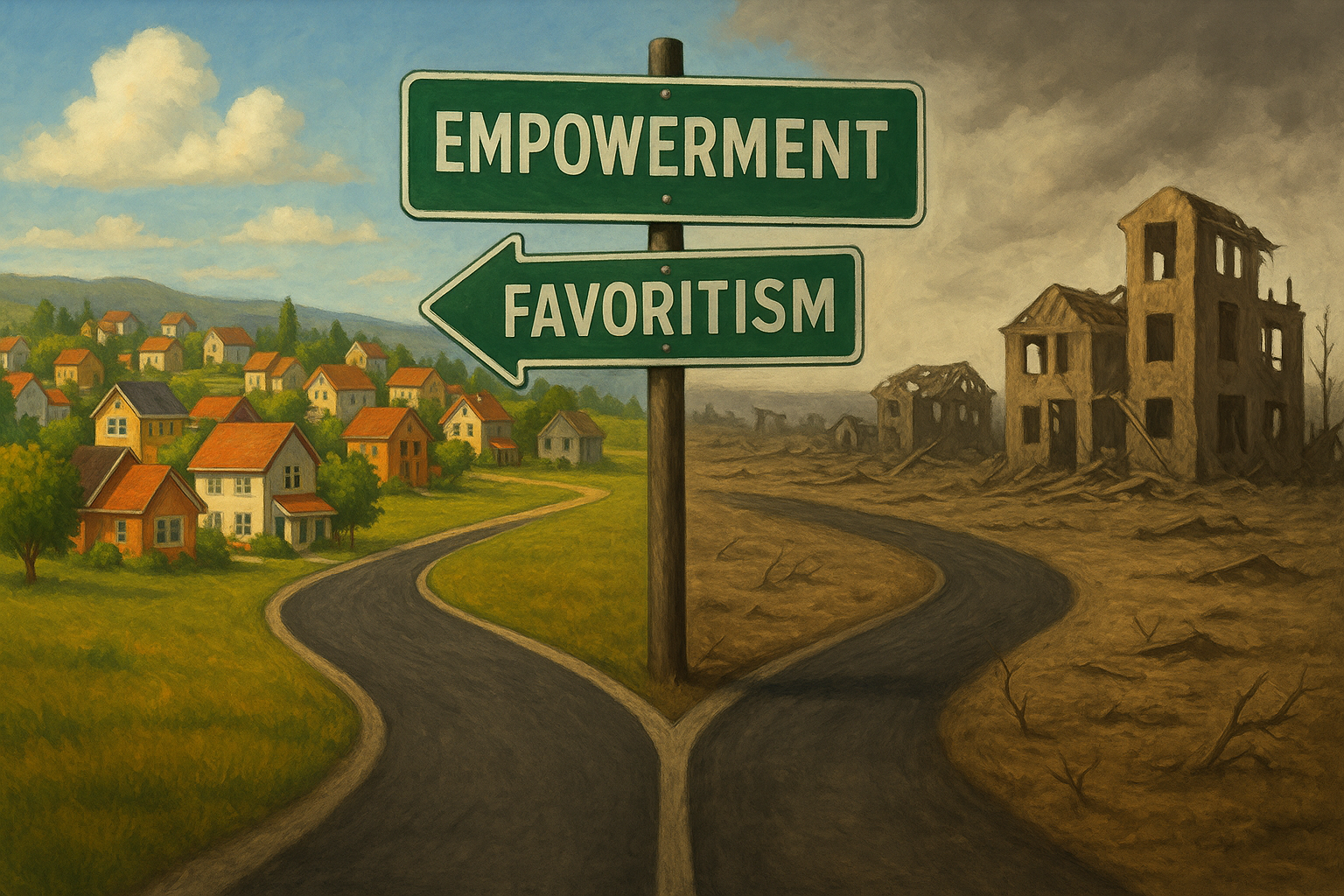
Economic Empowerment or Favoritism? California’s Controversial Housing Initiative Under Fire!

by Silence Dogood October 13, 2025
written by Silence Dogood

California is once again at the forefront of a national debate, this time over reparations and economic justice.

“Backers call it justice — critics call it a gamble.”

. The state is on the brink of a historic decision as a bold piece of legislation awaits Governor Gavin Newsom’s signature. The “California Dream for All Program,” catalyzed by sponsors McKinnor, Bonta, and Bryan, stands poised to reshape the economic landscape for descendants of formerly enslaved people by providing them with the financial support needed to achieve homeownership. This is no ordinary bill; it’s a radical proposition to address decades of systemic discrimination and economic marginalization.

## A Path to Economic Justice or Preferential Treatment?

The measure isn’t just a policy proposal; it’s a lightning rod in the national conversation on race and reparations. By offering grants and loans to descendants of enslaved people, the legislation aims to uplift Black communities historically denied the opportunity to build wealth. Supporters are hailing it as a visionary step toward rectifying the economic injustices that have plagued these communities for generations. “This is about more than just money; it’s about rewriting the narrative of opportunity in America,” said one proponent.

However, not everyone is on board. Critics, particularly those with conservative leanings, argue that the proposal could exacerbate societal divisions instead of mending them. They warn that such measures may be perceived as preferential treatment, potentially leading to new forms of inequity. The legislation has ignited a fiery debate over whether targeted assistance undermines the principles of equal opportunity or if it’s exactly what’s necessary to level the playing field.

The financial sector is also watching with interest—and some apprehension. Real estate stakeholders are questioning how this unprecedented move could affect market dynamics, fearing it might skew competitive balances and disrupt the industry. Could such a well-intentioned initiative inadvertently create a ripple effect that destabilizes broader economic frameworks?

## California: The Harbinger of Change?

As the proposal sits on the Governor’s desk, it symbolizes more than just a potential policy shift; it represents California’s broader ideological stance on racial equity and justice. Whether the Governor signs it or not will be an indicator of how far the state is willing to go in addressing historic wrongs through legislative action.

Proponents are hopeful that California can set a national precedent. The state’s decision could inspire similar policies across the country, potentially catalyzing a broader movement toward reparations and economic justice. But there’s also a fear that such bold moves risk alienating parts of the electorate, particularly those who feel left behind by aggressive progressive policies.

The stakes are undeniably high. The decision will reverberate beyond California’s borders, potentially redrawing the lines of fairness and inclusivity in American society. For some, the measure represents a long-overdue acknowledgment of past injustices and a necessary step towards equality. For others, it raises uncomfortable questions about fairness and the future of race relations in the United States.

### What’s Next?

Governor Newsom’s impending decision on the California Dream for All Program will not only determine the immediate future of the proposal but will also signal California’s commitment—or lack thereof—to pioneering reparative justice. As the nation watches closely, this moment could mark a turning point in how states approach the complex interplay of race, history, and economic opportunity. Whether this legislation becomes a beacon of progress or a cautionary tale will ultimately depend on its execution and the broader societal reaction. One thing is certain: California is poised to either redefine the parameters of economic justice or take a step back into familiar, unyielding patterns.


Bill Details

  • Bill Number: AB 57
  • State: CA
  • Last Action: Consideration of Governor’s veto pending.
  • Date: Assembly • Oct 13, 2025
  • Author(s)/Sponsor(s): McKinnor, Bonta, Bryan
  • Read Full Bill Text

Visual Insights

Editorial illustration for California Dream for All Program: descendants of formerly enslaved people.
October 13, 2025 0 comments
0 FacebookTwitterPinterestEmail
California

McNerney, Bryan, Elhawary Push for Fairness in Automated Hiring—Will It Pass?

by Silence Dogood October 13, 2025
written by Silence Dogood

**Algorithmic Hiring: A New Frontier or a Digital Minefield?**

In an era where algorithms are increasingly calling the shots in boardrooms, California’s Senate Bill 7 (SB 7) has ignited heated debate over the role of automation in employment. The bill’s ambition to regulate automated decision systems in hiring processes sets the stage for a clash between technological advancement and the fight against discrimination. If passed, SB 7 could drastically reshape how companies recruit and promote employees, sparking both excitement and controversy.

**Opening the Black Box**

At its core, SB 7 demands transparency. Employers who rely on automated decision-making must reveal how these systems operate and submit them to regular bias testing. For job seekers and employees, especially those from marginalized communities, this represents a potential leveling of the playing field. For too long, critics argue, the algorithms have functioned like a “black box,” with decisions emerging from a process cloaked in secrecy and potentially riddled with bias.

Consider a scenario where an AI system designed to streamline resume reviews inadvertently filters out candidates based on non-relevant factors like the frequency of medical leave indicators. Without oversight, such systems might perpetuate biases inadvertently baked into their programming. “It’s about time we demystify these algorithms,” supporters say. “Transparency isn’t just a buzzword. It’s a necessity.”

**A Costly Compliance Conundrum**

Yet, for businesses, SB 7 represents a costly compliance conundrum. Companies that have invested heavily in these technologies may face significant operational burdens and increased costs. Tech firms selling these systems might also feel the squeeze as their products come under increased scrutiny. Detractors argue that such regulations could stymie innovation and place undue stress on an already competitive market.

Imagine a small tech startup that has developed a cutting-edge AI tool for recruitment. Under SB 7, the company might face requirements that could be prohibitively expensive, forcing it to allocate resources to compliance rather than innovation. Critics say, “The bill risks transforming every HR department into an auditing unit. Is this really where we want to drive California’s technological prowess?”

**Balancing Innovation and Regulation**

The tension between fostering innovation and ensuring fairness is palpable. SB 7’s proponents emphasize the ethical imperative of preventing discrimination, arguing that technology should elevate rather than undermine workplace equity. Meanwhile, businesses express concern that excessive regulation could dampen the innovative spirit that defines California’s economy.

The bill’s enforcement would necessitate a comprehensive framework for auditing and accountability, potentially creating new opportunities in compliance and bias testing. As lobbyists and legislators gear up for the next round of discussions, the challenge will be crafting a policy that upholds fairness without quenching innovation. This delicate balance may decide the bill’s fate and shape California’s employment landscape for years to come.

**What Happens Next?**

Following the Governor’s veto, SB 7 awaits further consideration. The bill’s survival hinges on political maneuvering and public opinion. The debate is far from over; it reflects a larger societal reckoning with the rapid integration of AI into everyday life. Will California set a precedent by demanding transparency and fairness in algorithmic decision-making, or will the scales tip in favor of technological advancement at any cost?

As stakeholders from all sides prepare for the next legislative battle, one thing is clear: the conversation around AI and employment is just beginning. Whether SB 7 rises from the ashes or falls by the wayside, its impact will reverberate far beyond California’s borders, prompting a global dialogue on the future of work in the digital age.


Bill Details

  • Bill Number: SB 7
  • State: CA
  • Last Action: In Senate. Consideration of Governor’s veto pending.
  • Date: Senate • Oct 13, 2025
  • Author(s)/Sponsor(s): McNerney, Bryan, Elhawary
  • Read Full Bill Text

Visual Insights

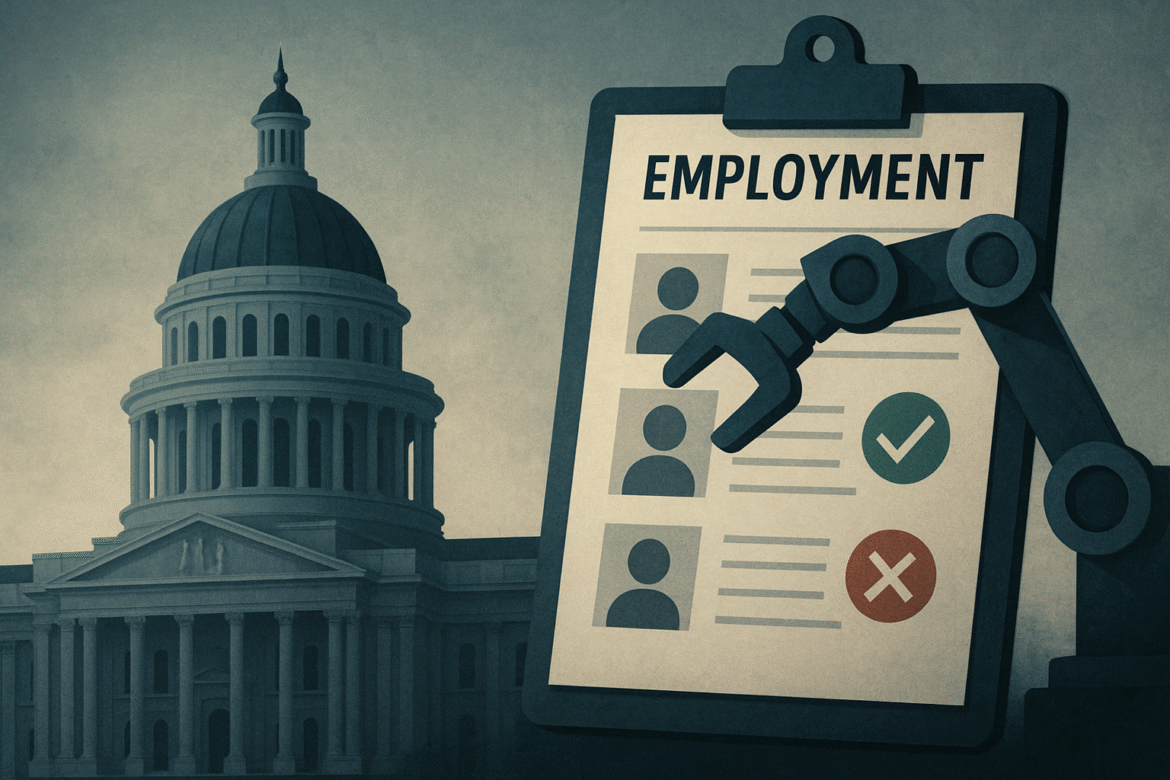
Editorial illustration for Employment: automated decision systems.
October 13, 2025 0 comments
0 FacebookTwitterPinterestEmail
California

🚨 Urgent: McNerney, Bryan, and Elhawary Push Bold New Bill: Will It Transform Our Future or Spark Heated Debate?

by Silence Dogood October 13, 2025
written by Silence Dogood

California’s Renewable Energy Bill: A Potential Shift in Policy

California stands at the precipice of a significant legislative decision with a bill that could transform the state’s approach to renewable energy. Championed by legislators McNerney, Bryan, and Elhawary, this pending legislation seeks to recalibrate California’s energy landscape, reinforcing its commitment to sustainability while addressing contemporary challenges within the sector.

### A New Framework for Renewable Energy

The proposed legislation aims to establish a comprehensive framework for expanding the use of renewable energy sources across California. It introduces measures that would incentivize solar, wind, and other sustainable energy industries, potentially increasing California’s renewable energy output by a significant margin. This shift aligns with California’s longstanding commitment to environmental stewardship and its ambitious climate goals.

The bill outlines several key provisions: tax incentives for renewable energy developers, grants for research and development in clean technologies, and stricter regulations on emissions from non-renewable energy sources. Additionally, it proposes a collaborative platform for public and private partnerships to foster innovation and investment in green energy projects.

### Impact on Citizens and Industries

If enacted, this legislation could have far-reaching effects on both citizens and industries within California. For residents, the bill promises cleaner air and a healthier environment, potentially reducing health-related costs associated with pollution. By promoting renewable energy, the state could also see a reduction in energy costs over time, offering financial relief to households and businesses alike.

For industries, particularly those within the renewable energy sector, the bill presents a golden opportunity for growth and innovation. Companies specializing in solar and wind energy stand to benefit from the proposed incentives and grants, potentially leading to job creation and economic stimulation. However, traditional energy sectors may face increased pressure to adapt, prompting a strategic pivot towards more sustainable practices.

### Support and Controversy

The bill has garnered substantial support from environmental advocacy groups and renewable energy companies, who view it as a necessary step toward sustainable development. Proponents argue that the legislation is vital for meeting California’s climate targets and for ensuring the state’s leadership in environmental policy.

Conversely, the bill faces criticism from some quarters, particularly from stakeholders in the fossil fuel industry and those concerned about the economic impact of transitioning too rapidly. Critics warn that the legislation could lead to job losses in traditional energy sectors and argue for a more balanced approach that considers the economic implications of such a transition.

### Legislative Journey and Next Steps

The bill’s journey through the legislative process has been marked by intense debate and negotiation. Initially introduced in the California State Assembly, it has undergone several amendments aimed at addressing concerns from various stakeholders. Now pending consideration of a gubernatorial veto in the Senate, the bill’s future remains uncertain.

The next steps involve careful deliberation by the Senate, where lawmakers must weigh the potential benefits of the bill against the concerns raised by its detractors. Should the Senate override the governor’s veto, the legislation would set a new precedent for renewable energy policy in California.

### Why It Matters

The outcome of this legislative process holds significant implications for California’s energy future. As one of the largest economies in the world, California’s policies often set trends for other states and even countries. The passage of this bill could not only affirm California’s role as a leader in renewable energy but also catalyze similar initiatives beyond its borders.

In an era of growing environmental consciousness and climate urgency, the decisions made by California’s lawmakers will resonate far beyond the state’s borders, influencing policy and shaping the conversation around renewable energy for years to come. As the Senate prepares to make its decision, the eyes of the nation—and indeed the world—are on California, waiting to see whether it will take this bold step into a more sustainable future.


Bill Details

  • Bill Number: SB 7
  • State: CA
  • Last Action: In Senate. Consideration of Governor’s veto pending.
  • Date: Senate • Oct 13, 2025
  • Author(s)/Sponsor(s): McNerney, Bryan, Elhawary
  • Read Full Bill Text

Visual Insights

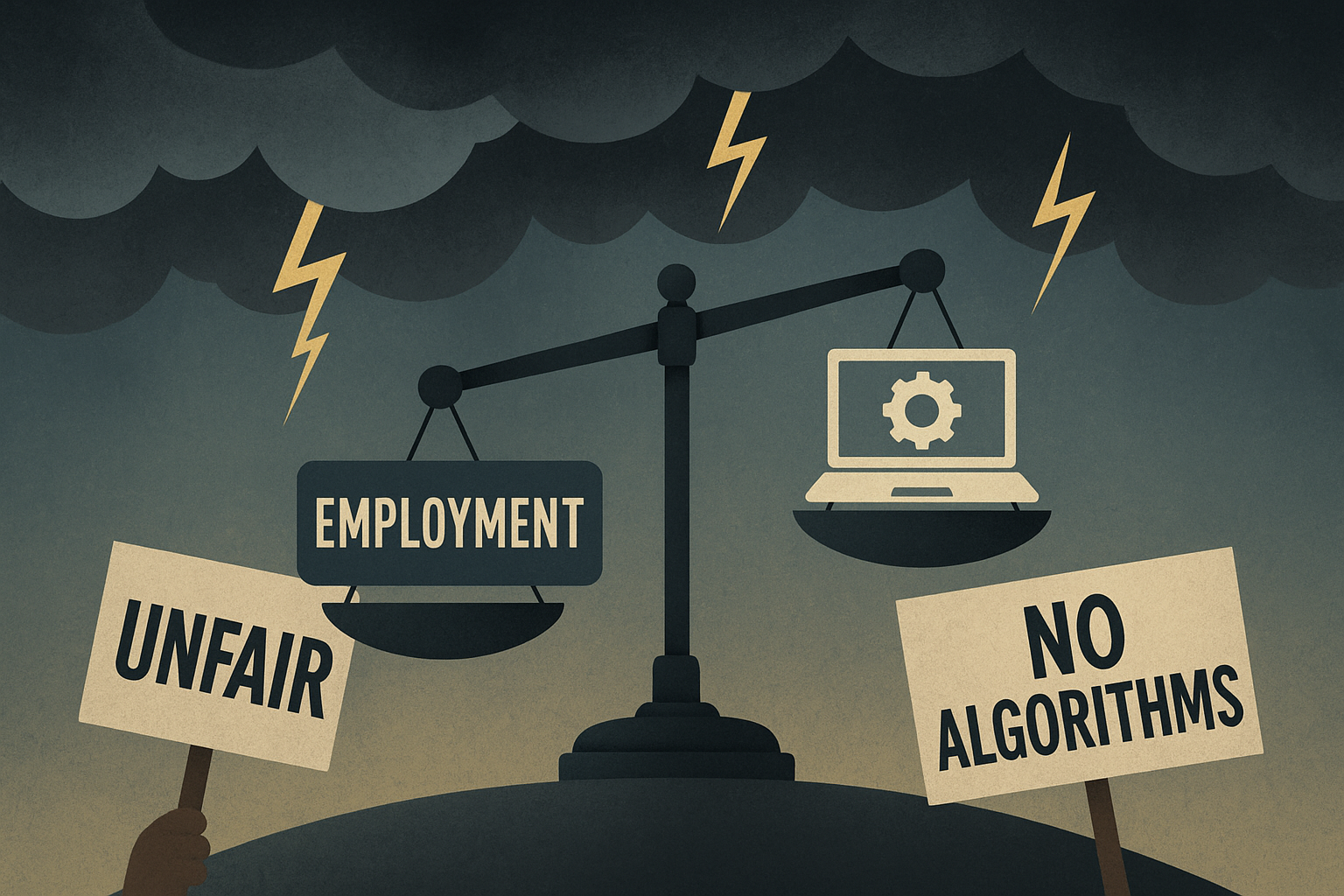
Editorial illustration for Employment: automated decision systems.
October 13, 2025 0 comments
0 FacebookTwitterPinterestEmail
California

🚨 Urgent: McNerney, Bryan, Elhawary Push for Bold Bill: Will It Transform the Future or Spark Outrage?

by Silence Dogood October 13, 2025
written by Silence Dogood

### California’s Latest Legislative Proposal: A Closer Look

In the ever-evolving landscape of California’s legislative efforts, a new bill sponsored by McNerney, Bryan, and Elhawary has emerged, promising to reshape certain aspects of state governance. While the bill awaits further consideration, including a potential override of the Governor’s veto, it has already stirred discussions across various sectors. This piece delves into the proposed changes, their potential impact, and the surrounding discourse.

### Policy Proposals and Changes

The pending legislation, though not yet enacted, proposes several significant changes aimed at modernizing state operations. While the exact provisions remain under wraps, informed sources suggest that the bill seeks to enhance technological infrastructure within state agencies. This move could potentially streamline bureaucratic processes, making government services more accessible and efficient for California’s diverse population.

Additionally, the bill reportedly includes measures to bolster cybersecurity protocols. In an era where digital threats are ever-present, such initiatives could protect sensitive personal data and state resources from cyberattacks. If implemented, these changes might position California as a leader in digital governance, setting a precedent for other states to follow.

### Impact on Citizens and Industries

For California residents, the proposed legislation could mean faster and more reliable access to government services. By reducing red tape and improving digital interfaces, individuals might find it easier to navigate state systems, from applying for permits to accessing public records.

Industries, particularly those in the tech sector, could see new opportunities arise from this legislative push. Companies specializing in cybersecurity, digital infrastructure, and software development may benefit from increased demand for their services. Moreover, a more tech-savvy government could foster an environment conducive to innovation, potentially attracting new businesses to the state.

### Support and Controversy

The bill has garnered a mixed reception, with supporters lauding its forward-thinking approach to governance. Advocates argue that the proposed changes are necessary to keep pace with technological advancements and to protect against emerging threats. They emphasize the potential for improved efficiency and cost savings as significant benefits.

However, the bill is not without its critics. Some opponents express concerns over the costs associated with overhauling existing systems and implementing new technologies. They caution against potential disruptions during the transition period and question the bill’s long-term sustainability. Privacy advocates also raise alarms about increased data collection, urging lawmakers to ensure robust safeguards are in place to protect citizens’ personal information.

### Legislative Journey

Currently, the bill’s fate hangs in the balance as it sits in the Senate, awaiting further action. The Governor’s veto has introduced an additional layer of complexity, with proponents now tasked with rallying enough support to potentially override the decision. This process requires a two-thirds majority vote in both legislative chambers, a challenging but not insurmountable hurdle.

The legislative journey thus far has been marked by intense negotiations and lobbying efforts from various stakeholders. As the bill progresses, continued dialogue and compromise will be essential to address concerns and garner the necessary backing.

### What Happens Next?

As the bill’s consideration continues, all eyes are on the California Senate and its response to the Governor’s veto. If proponents succeed in securing the required votes, the legislation could set a new standard for state governance. However, should the bill fail to advance, it may prompt lawmakers to revisit and refine the proposal, potentially addressing critics’ concerns in future iterations.

Ultimately, the outcome of this legislative effort holds significant implications for California’s digital future. As the state grapples with the challenges and opportunities of the digital age, this bill represents a critical step in shaping a responsive and resilient government infrastructure. Whether it passes or not, the discussions it has sparked are likely to influence policy debates for years to come.


Bill Details

  • Bill Number: SB 7
  • State: CA
  • Status: Status not available
  • Last Action: In Senate. Consideration of Governor’s veto pending.
  • Date: Senate • Oct 13, 2025
  • Author(s)/Sponsor(s): McNerney, Bryan, Elhawary
  • Read Full Bill Text
October 13, 2025 0 comments
0 FacebookTwitterPinterestEmail
Load More Posts

Explore more

  • Business (8)
  • California (274)
  • Education (8)
  • Entertainment (8)
  • Environment (8)
  • Featured (8)
  • New york (104)
  • Ohio (49)
  • Politics (8)
  • Sports (8)
  • Facebook
  • Twitter

Capitol Briefs - All Right Reserved.


Back To Top
Capitol Briefs
  • Home
    • Home 1
    • Home 2
    • Home 3
  • Politics
  • Business
  • Education
  • Entertainment
  • About Us
  • Contact